If you live north of 40 degrees north latitude (about the latitude of New York City) or south of 40 degrees south latitude (about the latitude of Wellington, New Zealand), for at least half of the year, you can't.
In Boston, Massachusetts, for instance, there is insufficient ultraviolet radiation in the sunlight for skin to make adequate amounts of vitamin D from early November to early March. On the South Island of New Zealand, vitamin D deficiency is a real risk from early May to early September. In Calgary, Alberta, residents don't get enough vitamin D even if they get daily sun exposure from October until nearly April. And in northern Europe, Alaska, and Russia, the problem is even worse.
Food Vitamin D (IU)
Cod liver oil 2218
Herring (raw) 2061
Shiitake mushrooms (dried) 1122
Catfish (raw) 1122
Button mushrooms (raw) 691
Pink salmon, canned 530
Sardines (canned) 521
Herring (pickled) 519
Mackerel, canned 214
Caviar 184
... ...
--original article
Showing posts with label misc. Show all posts
Showing posts with label misc. Show all posts
Wednesday, February 25, 2009

Sunday, February 01, 2009
新宠宝刀
 有一阵想买把Santoku刀,可一是家里不缺刀二是也没有看上哪把,何况法式刀也早用顺手了,也没细看。几个月前在附近的WS看上一把刀,当时店里缺货,也就作罢。上周又看上一把旬的,还是缺货,说一个星期内会进货,我想想到时大概兴头就又过了。不想之后的一周每次做饭都会想起那把刀,平日最烦打电话的,这次竟然打电话询问起来,依然没有。到昨天,一周了,决定不再坐等,打电话去另一间mall里,有,请他们给留出来。
到底也没等,放下电话就去了,七八英里远吧。不知上次来是什么时候了,忽然后悔电话里忘了问店在mall的什么地方。经济不好,逛mall的人可不少,转了很多圈才找到停车位,边找边想自己干嘛没事儿凑周末的热闹。不过要是大家没了工作没事干都来逛店,那平日人也少不了。Mall内也一片欣欣向荣。很幸运,WS就在我停车的这一端,不必迂回,直奔主题。拿到了刀,摩挲一通,又对着刀锋一阵凝视,售货员都有点儿不耐烦了。长条盒子,售货员要给装进一个大纸袋里,我说,哎,不用了,省个袋子吧。就拿了刀盒出店奔停车场。想着自己什么都不买店也不逛,买把菜刀拿了就走,不知怎么一下子就想起最近VT的案子,警方在朱的家里找到有买菜刀的收据等等。。。
晚上包饺子,刚学来的紫菜虾仁馅儿,挺简单的,都一样样切出来,发现这把刀——太好用啦。我的刀工立涨,难怪说必先厉其器哪。如此看来,电视上,Sushi bar里那些大厨们令我羡慕的刀工手艺,也不是那么可望不可及。或者这也是日式刀与法式刀的区别,刀刃一个15-18度,一个20-22度。我的Wüsthof chef's knife看来只能委屈呈基本退役状了。给A看我的新宝贝,他立即做自我保护状。跟他说,旧刀归你了,不许用我的新宠啊。
紫菜虾仁馅儿:
虾仁、鲜香菇(代原菜谱中的鸡胸肉)、紫菜大致等量。虾仁香菇切碎,打入鸡蛋两个,拌料酒、盐、胡椒粉、一勺生抽、香油;紫菜撕碎,不必过水,直接拌入馅儿中。即可。
Saturday, September 13, 2008
Steak Tartare
1. The Raw Truth: Don't Blame the Mongols (or Their Horses) by Craig S. Smith at NYT
2. Steak Tartare at The Food Timeline
3. The History of Steak Tartare By Richard L. Wottrich (various recipes of raw beef really)
2. Steak Tartare at The Food Timeline
3. The History of Steak Tartare By Richard L. Wottrich (various recipes of raw beef really)
Friday, September 05, 2008
Murri
from The Wilder Shores of Gastronomy
The most unexpected flavoring is murri. This was made by wrapping lumps of barley dough in fig leaves so that they would be attacked by mold, then mixing the moldy barley with flour, salt and water and allowing it to ferment for another month or more. The rotted barley paste would then be pressed to yield a dark-brown liquid which turns out to taste just like soy sauce. This whiff of soy ran through the food of the caliphs. The Arab sauce was not borrowed from China, however: Murri was never made from beans and it was always a liquid sauce, while the Chinese product was used as a paste until the 16th century.
--from Cooking with the Caliphs
on hongzhao 红糟
1.) The first reference to red ferment in the literature dates back to the late Han Dynasty (+177-217)-which means that I was incorrect by-oh, only 1,000 or so years! This is a controversial reference however, as it may not refer to the technology as we understand it today. However, by the Tang Dynasty, the poet Li Ho was already writing about "red wine":
In the crystal cup, the (sparkling) amber mash is thick,
And the wine drops from the little trough are pearly red.
2.) Here are two additional verses, both from Su Tung Po of the Sung Dynasty (+1036-1101):
In search of loacl products for an old friend,
I sent him post-haste "cured mash" and "red ferment"
and
Last year we shared a plate of tender alfalfa,
Tonight I pour a Min wine, red as cinnabar.
(Min = Fookienese)
3.) The red grain mould is Monascus sp. According to Dr. Huang, the (Fookienese) counties of Sung Chhi, Cheng Ho, Chien Ou, and Ku Thien (specially this last) are renowned for their red wine (and red mash).
4.) Today, this red wine is commonly called YELLOW wine (huang chieu).
--from http://chowhound.chow.com/topics/111597
A book review on
Science and Civilisation in China: Volume 6, Biology and Biological Technology, Part 5, Fermentations and Food Science
by H. T. Huang
The most unexpected flavoring is murri. This was made by wrapping lumps of barley dough in fig leaves so that they would be attacked by mold, then mixing the moldy barley with flour, salt and water and allowing it to ferment for another month or more. The rotted barley paste would then be pressed to yield a dark-brown liquid which turns out to taste just like soy sauce. This whiff of soy ran through the food of the caliphs. The Arab sauce was not borrowed from China, however: Murri was never made from beans and it was always a liquid sauce, while the Chinese product was used as a paste until the 16th century.
--from Cooking with the Caliphs
on hongzhao 红糟
1.) The first reference to red ferment in the literature dates back to the late Han Dynasty (+177-217)-which means that I was incorrect by-oh, only 1,000 or so years! This is a controversial reference however, as it may not refer to the technology as we understand it today. However, by the Tang Dynasty, the poet Li Ho was already writing about "red wine":
In the crystal cup, the (sparkling) amber mash is thick,
And the wine drops from the little trough are pearly red.
2.) Here are two additional verses, both from Su Tung Po of the Sung Dynasty (+1036-1101):
In search of loacl products for an old friend,
I sent him post-haste "cured mash" and "red ferment"
and
Last year we shared a plate of tender alfalfa,
Tonight I pour a Min wine, red as cinnabar.
(Min = Fookienese)
3.) The red grain mould is Monascus sp. According to Dr. Huang, the (Fookienese) counties of Sung Chhi, Cheng Ho, Chien Ou, and Ku Thien (specially this last) are renowned for their red wine (and red mash).
4.) Today, this red wine is commonly called YELLOW wine (huang chieu).
--from http://chowhound.chow.com/topics/111597
A book review on
Science and Civilisation in China: Volume 6, Biology and Biological Technology, Part 5, Fermentations and Food Science
by H. T. Huang
Tuesday, August 19, 2008
鱼鱼鱼
黄花鱼 yellow corvina, yellow croaker (difference?)
鲭鱼 鲐鱼 mackerel
鲅鱼 spanish mackerel
黑鱼 snakehead fish
鲳鱼 pomfret
鳕鱼 cod
黑鲈 sea bass
胭脂鱼 mullet
鲱鱼 青鱼 herring
凤尾鱼 anchovy
秋刀鱼 mackerel pike, saury
鲭鱼 鲐鱼 mackerel
鲅鱼 spanish mackerel
黑鱼 snakehead fish
鲳鱼 pomfret
鳕鱼 cod
黑鲈 sea bass
胭脂鱼 mullet
鲱鱼 青鱼 herring
凤尾鱼 anchovy
秋刀鱼 mackerel pike, saury
Yellow Corvina / Yellow Croaker
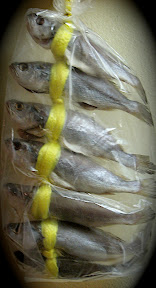 Salted yellow corvina chaban from "Growing Up In A Korean Kitchen"
Yeonggwang is famous for its large production of croaker which Korean people choose one of the best presents for presents to other people. They are called these "rice thief" because of its wide popularity. Also, it is called Yeonggwang gulbi(meaning dried croaker) among Koreans. They originated from the Goryeo Dynasty. Yellow corvina moves northward from the East China Sea, where they spend the winter season, to Yeonpyeongdo Island, to spawn at the start of the thawing season. They spawn at sea in front of Chilsan, near Beopseongpo in Yeonggwang, between April 10 and 30, while moving northward.
-from wiki
Friday, August 15, 2008
虾油,鱼露,Garum
Garum: http://penelope.uchicago.edu/~grout/encyclopaedia_romana/wine/garum.html
http://www.geocities.com/Athens/Ithaca/8337/c_garum.html
第五味觉: http://web.my8d.net/tmgma/new_page_11.htm
From "Medieval cuisine of the Islamic World"——
This ancient Roman-Berber recipe is attributed to Apicius, whose life straddled the first century B.C.E. and the first century C.E. "Chicken in the Numidian fashion" -- ... -- is not so very different from the barida of chicken created by Iraqi gastronomes in the early ninth century, many recipes from which are associated with the Abbasid caliphs. The ingredients are practically the same: ... The difference is that the Islamic dish has murri, another salty fermented condiment, in place of garum. -pp22
The medieval kitchen used condiments whose flavor is yet distantly imaginable to us, such as murri (similar to soy sauce), kamakh (a sort of cheese spread), and bunn (analogous to the thick paste from which soy sauce is pressed.) These condiments were essential in cooking, above all in Baghdad during the tenth century, but also in Andalusia and Egypt, where we know of their use only from the thirteenth century. ... murri or kamakh, which are based on the long and involved fermentatin of cereals or salted fish.
These condiments seem to have been comparable to East Asian sauces such as Chinese soy sauce and Vietnamese nuoc mam, themselves recreations, using modern food technologies, of ancient artisanal products. Preservation by salting or brining was widespread throughout the medieval world. The sauces mentioned by Apicius, garum and liquamen, were for centuries considered indispensable in Greco-Roman cooking. Garum was obtained by marinating fish intestines; murri (in one of it several versions) by marinating small dried fish (sir) in salt, aromatic herbs, must, and wine; and modern nuoc mam by marinating salted fresh anchovies. -pp 54
http://www.geocities.com/Athens/Ithaca/8337/c_garum.html
第五味觉: http://web.my8d.net/tmgma/new_page_11.htm
From "Medieval cuisine of the Islamic World"——
This ancient Roman-Berber recipe is attributed to Apicius, whose life straddled the first century B.C.E. and the first century C.E. "Chicken in the Numidian fashion" -- ... -- is not so very different from the barida of chicken created by Iraqi gastronomes in the early ninth century, many recipes from which are associated with the Abbasid caliphs. The ingredients are practically the same: ... The difference is that the Islamic dish has murri, another salty fermented condiment, in place of garum. -pp22
The medieval kitchen used condiments whose flavor is yet distantly imaginable to us, such as murri (similar to soy sauce), kamakh (a sort of cheese spread), and bunn (analogous to the thick paste from which soy sauce is pressed.) These condiments were essential in cooking, above all in Baghdad during the tenth century, but also in Andalusia and Egypt, where we know of their use only from the thirteenth century. ... murri or kamakh, which are based on the long and involved fermentatin of cereals or salted fish.
These condiments seem to have been comparable to East Asian sauces such as Chinese soy sauce and Vietnamese nuoc mam, themselves recreations, using modern food technologies, of ancient artisanal products. Preservation by salting or brining was widespread throughout the medieval world. The sauces mentioned by Apicius, garum and liquamen, were for centuries considered indispensable in Greco-Roman cooking. Garum was obtained by marinating fish intestines; murri (in one of it several versions) by marinating small dried fish (sir) in salt, aromatic herbs, must, and wine; and modern nuoc mam by marinating salted fresh anchovies. -pp 54
Wednesday, July 23, 2008
榴莲
每次在中国超市看到整个的冰冻榴莲我都在前流连一会儿,但从没买过,不会挑也不知怎样打开又怕把家里弄的臭气熏天。昨天在冰柜一排看到榴莲果实,赶紧就抓了两盒。回到家兴高采烈地说,你猜我今儿买了什么?那边想都不想就答,榴莲。
我第一次吃榴莲是几年前朋友家爬梯,送一帮来此短期培训的朋友回国。一广东人带来了一整颗榴莲,说给大家尝尝。这东西臭名远扬,我也在超市看见过它布满尖刺的外表,但内里的果实我见都没见过。酒足饭饱到了榴莲时刻,大家围着大桌子等。多数人没吃过,都很好奇。等到一打开,打伙掩鼻的掩鼻离坐的离坐,只有坐我旁边的姐们儿,说在国内吃过,很喜欢,颇为期待的表情。当然朋友带来给我们尝新,又全套服务地剥好,一块一块递过来,我们也不好太过分,所以初始的片刻混乱之后大家又坐好,尽量憋着气。好在有鲍鱼之肆一说,倒也不必憋气太久。拿过来往鼻前一送,有人就拒吃了,咬了一口的有吐出来的,也有勉强下咽,绝不再碰第二下的。
我小心翼翼屏气将一片嫩黄果肉送到嘴里,一开始感觉不好,但稍坚持一下,发现爽滑甜腻,其味也香,口感略似黄油但绝无脂气,因是刚刚解冻的,又如冰激凌,总之好吃的很。又大胆地深吸一口气,原来一股醇香啊,虽然颇霸道。一块不够,我又讨了一块。这香臭之间原不过一线之隔,由远及近,转换就在那一瞬间,且那气味过鼻不忘。
第一次去香港,我们住在湾仔,晚上往铜锣湾那边溜达。经过一家超市门口,我就闻到一股熟悉的臭香,立即拉着A寻“香”而进。我说我给你介绍一样好吃的。买了一盘剥好的榴莲用塑料膜紧紧的包着。回到旅店,A在大堂问些事情,我等不及了,就回到屋里先取了一块榴莲吃,甘香浓郁,远非冰冻的可比。等A一进屋,大叫,这什么味道,大有要晕倒之势。我赶紧递给他一片,他一尝之下,竟也是喜欢。过两天去那家店又买了一盘。我以为榴莲在香港哪都有卖,但好像不是,也许是季节不对。
等到再去香港,我就惦记上榴莲了。又到铜锣湾找到那家超市,看到一大堆榴莲堆在地上,也有剥好的。我们挑剥好的,旁边一人边看边指点我们什么样的甜,听口音是个英国人,一问是在新加坡住过的。他却不买剥好的,让售货员给他拿整颗的,售货员拿来撬开一点给他过目,挑了几个直到他满意。称好后又给都剥出来。我们一看这个更过瘾,就请售货员也帮我们挑一个。售货员很认真的一个一个地敲敲打打,有的撬开看看又扔回去,终于找到一个她自己满意了的,给我们都收拾好。到附近的维多利亚公园,在人少的地方找条板凳坐下,取出榴莲来,果然分外香甜醇厚。先有点怕那个味道影响周围的人,发现无人侧目,我们也就放心大胆了。一会儿就报销了整个榴莲。又转回去那家超市,那个售货员见我们回来,一笑,就又给我们挑起榴莲来。
这东西上瘾,可惜难得吃到。冰冻的也好,聊胜于无。
我第一次吃榴莲是几年前朋友家爬梯,送一帮来此短期培训的朋友回国。一广东人带来了一整颗榴莲,说给大家尝尝。这东西臭名远扬,我也在超市看见过它布满尖刺的外表,但内里的果实我见都没见过。酒足饭饱到了榴莲时刻,大家围着大桌子等。多数人没吃过,都很好奇。等到一打开,打伙掩鼻的掩鼻离坐的离坐,只有坐我旁边的姐们儿,说在国内吃过,很喜欢,颇为期待的表情。当然朋友带来给我们尝新,又全套服务地剥好,一块一块递过来,我们也不好太过分,所以初始的片刻混乱之后大家又坐好,尽量憋着气。好在有鲍鱼之肆一说,倒也不必憋气太久。拿过来往鼻前一送,有人就拒吃了,咬了一口的有吐出来的,也有勉强下咽,绝不再碰第二下的。
我小心翼翼屏气将一片嫩黄果肉送到嘴里,一开始感觉不好,但稍坚持一下,发现爽滑甜腻,其味也香,口感略似黄油但绝无脂气,因是刚刚解冻的,又如冰激凌,总之好吃的很。又大胆地深吸一口气,原来一股醇香啊,虽然颇霸道。一块不够,我又讨了一块。这香臭之间原不过一线之隔,由远及近,转换就在那一瞬间,且那气味过鼻不忘。
第一次去香港,我们住在湾仔,晚上往铜锣湾那边溜达。经过一家超市门口,我就闻到一股熟悉的臭香,立即拉着A寻“香”而进。我说我给你介绍一样好吃的。买了一盘剥好的榴莲用塑料膜紧紧的包着。回到旅店,A在大堂问些事情,我等不及了,就回到屋里先取了一块榴莲吃,甘香浓郁,远非冰冻的可比。等A一进屋,大叫,这什么味道,大有要晕倒之势。我赶紧递给他一片,他一尝之下,竟也是喜欢。过两天去那家店又买了一盘。我以为榴莲在香港哪都有卖,但好像不是,也许是季节不对。
等到再去香港,我就惦记上榴莲了。又到铜锣湾找到那家超市,看到一大堆榴莲堆在地上,也有剥好的。我们挑剥好的,旁边一人边看边指点我们什么样的甜,听口音是个英国人,一问是在新加坡住过的。他却不买剥好的,让售货员给他拿整颗的,售货员拿来撬开一点给他过目,挑了几个直到他满意。称好后又给都剥出来。我们一看这个更过瘾,就请售货员也帮我们挑一个。售货员很认真的一个一个地敲敲打打,有的撬开看看又扔回去,终于找到一个她自己满意了的,给我们都收拾好。到附近的维多利亚公园,在人少的地方找条板凳坐下,取出榴莲来,果然分外香甜醇厚。先有点怕那个味道影响周围的人,发现无人侧目,我们也就放心大胆了。一会儿就报销了整个榴莲。又转回去那家超市,那个售货员见我们回来,一笑,就又给我们挑起榴莲来。
这东西上瘾,可惜难得吃到。冰冻的也好,聊胜于无。
Saturday, July 12, 2008
今天吃什么
天气真热。早晨起来看DG趴在包着酸奶的那个大被子上,可爱死了。阿林拿个大浴巾包着他出门,脑袋从前边露出来,尾巴从后面露出来,可怜兮兮的。他已经拒绝吃东西了,我们不得不硬喂了他些三文鱼,就把他留在院子里——他最喜欢的地方,也不过就是在一片阴凉下绻着,不知还能绻多久。
天热的人也没有食欲,数了数从早到晚吃的东西,却也不少。早晨是面包放上奶酪在炉子里烤烤,我做面包的热情日减,可架不住阿林总叨念。然后去摘了几个小西红柿,红的黄的,还有草莓。中午我们说喝果汁吧——最近喝的热火朝天,每晚做好了饭跟那晾着不吃先切水果——于是一人两杯,西瓜菠萝芒果草莓哈密瓜一通搅和。再加上我昨晚烤的香蕉核桃糕。下午又吃了一大碗酸奶,自己做的,很酸很稠,我总要厚厚地浇一层蜂蜜。这么一数,发现我们自力更生的程度不算低了,菜种的还少,也有开始的趋势,不知会不会有一天要种庄稼了。


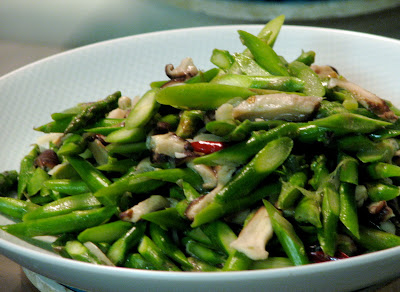
晚饭倒是正经吃了的,清炒土豆丝和香菇芦笋,也算清淡。最近总爱炒土豆丝,不知有什么东西我身体里缺——不至于是淀粉吧——没两天就又忍不住乖乖地咚咚咚切丝去了。羡慕人家有刀功的能切得又快又匀又细又长,我总不能,又无耐心练。记得我老爸是有这功夫的,我也是偶然发现。他做饭的年头不长,那时我很少去厨房,何况那么小的厨房也转不开,后来也不怎么在家住了。
爸那时有个很会做菜的朋友,来北京出差,来家里就会授他几招。家里相熟的客人来就要点爸的菜,其实都不是什么上台盘的东西,主要的trick好像就是油多,可确实好吃,也好看。后来家里请了人,就谁都不做饭了。有一次老爸说,这个菜不太对,我来试试。等装了盘端上桌一看,他自己都觉着不对劲,立马又拿去回锅——这事儿我和我妈总记着。
另一样令我上瘾的是苦瓜,可是只有中国店卖,又不禁放,很麻烦,以后种菜当属首选。阿林说不知这土豆和苦瓜有啥共同元素,让你上瘾,嘿嘿,估计他是吃烦了。

天热的人也没有食欲,数了数从早到晚吃的东西,却也不少。早晨是面包放上奶酪在炉子里烤烤,我做面包的热情日减,可架不住阿林总叨念。然后去摘了几个小西红柿,红的黄的,还有草莓。中午我们说喝果汁吧——最近喝的热火朝天,每晚做好了饭跟那晾着不吃先切水果——于是一人两杯,西瓜菠萝芒果草莓哈密瓜一通搅和。再加上我昨晚烤的香蕉核桃糕。下午又吃了一大碗酸奶,自己做的,很酸很稠,我总要厚厚地浇一层蜂蜜。这么一数,发现我们自力更生的程度不算低了,菜种的还少,也有开始的趋势,不知会不会有一天要种庄稼了。


晚饭倒是正经吃了的,清炒土豆丝和香菇芦笋,也算清淡。最近总爱炒土豆丝,不知有什么东西我身体里缺——不至于是淀粉吧——没两天就又忍不住乖乖地咚咚咚切丝去了。羡慕人家有刀功的能切得又快又匀又细又长,我总不能,又无耐心练。记得我老爸是有这功夫的,我也是偶然发现。他做饭的年头不长,那时我很少去厨房,何况那么小的厨房也转不开,后来也不怎么在家住了。
爸那时有个很会做菜的朋友,来北京出差,来家里就会授他几招。家里相熟的客人来就要点爸的菜,其实都不是什么上台盘的东西,主要的trick好像就是油多,可确实好吃,也好看。后来家里请了人,就谁都不做饭了。有一次老爸说,这个菜不太对,我来试试。等装了盘端上桌一看,他自己都觉着不对劲,立马又拿去回锅——这事儿我和我妈总记着。
另一样令我上瘾的是苦瓜,可是只有中国店卖,又不禁放,很麻烦,以后种菜当属首选。阿林说不知这土豆和苦瓜有啥共同元素,让你上瘾,嘿嘿,估计他是吃烦了。

Saturday, May 24, 2008
Ceviche - denaturation
Traditional Peruvian cold appetizer known as ceviche is prepared by chemically "cooking" raw fish and shellfish in an acidic citrus marinade, without heat. It's an example of protein denaturation.
Protein folds on itself so that hydrophobic elements of the protein are buried deep inside the structure and hydrophilic elements end up on the outside. The final shape of a protein determines how it interacts with its environment.
When a protein is denatured, the secondary and tertiary structures are altered but the peptide bonds between the amino acids are left intact. Since the structure of the protein determines its function, the protein can no longer perform its function once it has been denatured.
----
The name - One theory suggests that the Ceviche got its name from the Quechua word "siwichi". However, it is more likely for the name to be a cognate of the Spanish word "escabeche" (marinade), derived from the Arabic term "sikbaj". Another theory suggests that its name comes from the word Cebo, the name given to the Corvina (sea bass) fish by black Peruvians.
Protein folds on itself so that hydrophobic elements of the protein are buried deep inside the structure and hydrophilic elements end up on the outside. The final shape of a protein determines how it interacts with its environment.
When a protein is denatured, the secondary and tertiary structures are altered but the peptide bonds between the amino acids are left intact. Since the structure of the protein determines its function, the protein can no longer perform its function once it has been denatured.
----
The name - One theory suggests that the Ceviche got its name from the Quechua word "siwichi". However, it is more likely for the name to be a cognate of the Spanish word "escabeche" (marinade), derived from the Arabic term "sikbaj". Another theory suggests that its name comes from the word Cebo, the name given to the Corvina (sea bass) fish by black Peruvians.
Thursday, March 13, 2008
汤和面包
很多年前去巴黎,那时对自己胃的脾性还不太了解。长途飞行后,到了旅店扔下背包就上了街,迷迷糊糊地在街上逛,跟个zombie似的。刚在一石阶上坐下来,就有人来聊天,聊聊又请喝咖啡。左右是换个地方坐着,我就跟了去。进咖啡馆里深吸一口气,人就醒了大半——香浓的咖啡正是我需要的。可是等离开了咖啡馆,我的困意再次上来时,胃也跟着翻江倒海起来。那个晚上我就一条街一条街地走,在每个餐馆前驻足看一看,饿的不行可是一看见真正的饭菜胃就又更加难过起来,什么也不能吃。也不能饿着回旅店睡觉,睡不着。
那时节最需要的是一碗粥,可哪里去找。最后决定喝一碗汤试试吧。随手进了家餐馆,要了一大碗浓汤,就着面包。虽然饿我也不敢吃的太快。一勺热汤,就一口浸透了浓汤的柔韧的面包,我能感觉到它们在我的食道里下滑的蠕动,暖暖的。。。那折腾了我一整个晚上的胃一下子就熨帖了。唉,那真是我记忆里吃过的最好吃的汤和面包。最后我用面包把汤碗擦了个一干二净。走出餐馆径直回到旅店一觉睡到天亮。
那时节最需要的是一碗粥,可哪里去找。最后决定喝一碗汤试试吧。随手进了家餐馆,要了一大碗浓汤,就着面包。虽然饿我也不敢吃的太快。一勺热汤,就一口浸透了浓汤的柔韧的面包,我能感觉到它们在我的食道里下滑的蠕动,暖暖的。。。那折腾了我一整个晚上的胃一下子就熨帖了。唉,那真是我记忆里吃过的最好吃的汤和面包。最后我用面包把汤碗擦了个一干二净。走出餐馆径直回到旅店一觉睡到天亮。
Bread composition and chemistry
The amount of water and flour are the most significant measurements in a bread recipe, as they affect texture and crumb the most. Professional bakers use a system of percentages known as Bakers' Percentage in their recipe formulations, and measure ingredients by weight instead of by volume. Measurement by weight is much more accurate and consistent than measurement by volume, especially for the dry ingredients.
Flour is always 100%, and the rest of the ingredients are a percent of that amount by weight. Common table bread in the U.S. uses approximately 50% water, resulting in a finely-textured, light, bread. Most artisan bread formulas contain anywhere from 60 to 75% water. In yeast breads, the higher water percentages result in more CO2 bubbles, and a coarser bread crumb.
The quantity and quality of the proteins contained in the flour serve as the best indicator of the quality of the bread dough and the finished bread. While bread can be made from all-purpose wheat flour, for quality bread a specialty bread flour, containing more protein, is recommended.
Wheat flour in addition to its starch contains three water-soluble protein groups, albumin, globulin, proteoses, and two non-water soluble protein groups, glutenin and gliadin. When flour is mixed with water the water-soluble proteins dissolve, leaving the glutenin and gliadin to form the structure of the resulting dough. When worked by kneading, the glutenin forms strands of long thin chainlike molecules while the shorter gliadin forms bridges between the strands of glutenin. The resulting networks of strands produced by these two proteins is known as gluten. Gluten development improves if the dough is allowed to autolyse.
During proofing, yeast converts glucose and other carbohydrates to carbon dioxide gas which gives the bread rise and alcohol which gives it flavor. Bacteria which coexists with the yeast consume this alcohol, producing lactic and acetic acids.
Proofing is divided into a number of different categories including fermentation, proofing, retarding, autolyse. Fermenting is any stage of proofing which is completed prior to the shaping of the bread. Often a third of a bread's rise will occur during this stage. Proofing is the general term for allowing a bread to rise while at room temperature after it has been shaped. Retarding is the stage in which bread is placed into a dough retarder, refrigerator, or other cold environment to slow the activity of the yeast. The retarding stage is rarely found in recipes with commercial yeast but often used in sourdough bread recipes to allow the bread to develop it characteristic flavor. Autolyse is a period of rest allowed for dough to relax. After the initial mixing of flour and water, the dough is allowed to sit. This rest period allows for better absorption of water and allows the gluten and starches to align. Breads made with autolysed dough are easier to form into shapes and have more volume and improved structure.
The sour taste of sourdoughs actually comes not from the yeast, but from a lactobacillus, with which the yeast lives in symbiosis. The lactobacillus feeds on the byproducts of the yeast fermentation, and in turn makes the culture go sour by excreting lactic acid, which protects it from spoiling (since most microbes are unable to survive in an acid environment).
All yeast-leavened breads used to be sourdoughs, and the leavening process was not understood until the 19th century, when with the advance of microscopes, scientists were able to discover the microbes that make the dough rise. Since then, strains of yeast have been selected and cultured mainly for reliability and quickness of fermentation. Billions of cells of these strains are then packaged and marketed as "Baker's Yeast". Bread made with baker's yeast is not sour because of the absence of the lactobacillus.
-from wiki
Tuesday, March 11, 2008
Kosher salt, sea salt, & table salt
For the cook's purposes, the main difference between salts is in their texture. Table salt's fine granules dissolve quickly, making it the preferred salt of bakers. Sea salt and kosher salt possess larger, irregular grains that add a delightful crunch and hit of briny flavor when sprinkled on food at the last minute. Generally, savvy cooks prefer kosher salt when cooking, since its coarse texture is easier to take a pinch of when seasoning savory dishes.
Chemically there is little difference between kitchen salts. All are at least 97 1/2 percent sodium chloride. But there are significant differences in the provenance and processing of these salts.
Table salt is mined from underground salt deposits, and includes a small portion of calcium silicate, an anti-caking agent added to prevent clumping. It possesses very fine crystals and a sharp taste. Because of its fine grain a single teaspoon of table salt contains more salt than a tablespoon of kosher or sea salt.
Sea salt is harvested from evaporated seawater and receives little or no processing, leaving in tact the minerals from the water it came from. These minerals flavor and color the salt slightly. However, because these salts often come at a dear price, it is worth keeping in mind that they lose their unique flavor when cooked or dissolved.
Kosher salt takes its name from its use in the koshering process. It contains no preservatives and can be derived from either seawater or underground sources. Aside from being a great salt to keep within arm's reach when you are cooking, it is particularly useful in preserving, because its large crystals draw moisture out of meats and other foods more effectively than other salts.
–Food Network Kitchens
Chemically there is little difference between kitchen salts. All are at least 97 1/2 percent sodium chloride. But there are significant differences in the provenance and processing of these salts.
Table salt is mined from underground salt deposits, and includes a small portion of calcium silicate, an anti-caking agent added to prevent clumping. It possesses very fine crystals and a sharp taste. Because of its fine grain a single teaspoon of table salt contains more salt than a tablespoon of kosher or sea salt.
Sea salt is harvested from evaporated seawater and receives little or no processing, leaving in tact the minerals from the water it came from. These minerals flavor and color the salt slightly. However, because these salts often come at a dear price, it is worth keeping in mind that they lose their unique flavor when cooked or dissolved.
Kosher salt takes its name from its use in the koshering process. It contains no preservatives and can be derived from either seawater or underground sources. Aside from being a great salt to keep within arm's reach when you are cooking, it is particularly useful in preserving, because its large crystals draw moisture out of meats and other foods more effectively than other salts.
–Food Network Kitchens
Sunday, September 02, 2007
酿蜜酒 Mead
by 绿茶
如此这番之后,酿蜜酒才正式开始。
到屋内,炉灶上坐上一大锅,放入三份水,一份蜂蜜,稍搅拌。小火(华氏160度以下)慢熬。按照比例放入tenor(我不知道是不是这个词,感觉好像药引子。最方便的tenor是黑茶black tea,但是比较贵,可以用稍苦的植物叶子晒干代替。)和要做口味的香料(这次用的是晒干的薰衣草lavender,也可以用essence),[1 gallon mead, 1/2 teaspoon tenor, 2 teaspoons flavor herbs]。煮大概三十分钟。
温水煮蜂蜜的当儿,Nancy带我们去外面的园子里和园子边上介绍各种植物,并指出什么能够做tenor。
这是我最欣喜的时刻,原来路上一扫而过并不显眼的植物有这么多的用途。
比如, ground ivy 是可以做tenor的。Nancy摘掉一棵叶子就尝,然后给大家品尝,是清新略带清苦。
另两种能做tenor的叶子,可惜我都记不住名字了。
还看到一簇大片绿叶大朵白花, Moon Flower,月亮花,多么美丽的名字。
violet leaf,是可以败火的(cool the fire, haha~~~)。
Sour grass,我们老家叫酸瓜儿,小学放学的路上,经常在路边低头找它,切切的把叶子放进嘴里咀嚼,喜欢那种酸酸的味道。黄花开罢,就结出小小的瓜儿,里面有籽儿。好多小伙伴爱吃这种酸瓜儿,我却不爱,只觉得有种怪味,还是叶子最好吃。
回头蜜酒已经熬好,用过滤咖啡的滤纸滤到大玻璃罐子里。然后再滤到Nancy为每人准备的一个小果酱瓶子里带回家。
很欣喜的写上"Lavender Mead, 9/1/2007",多么有意义的第一罐蜜酒。
回家后把盛蜜酒的玻璃瓶子放在碗里,防止发酵的时候流出来。如果有气泡咕咕的顶瓶子,就把瓶盖拧开放放气。
等到气都放完(千万要放完,否则可是大炸弹啊),就可以盛在红酒瓶子里,用新瓶塞密封好待享用了。
蜂蜜里包含较甜的果糖和不那么甜的葡萄糖,发酵要把果糖分解之后才能算制成蜜酒。如果太甜,那还需要静放,等待酵母(yeast)继续作用。
Nancy给大家朗读了"Full Moon Feast"一书中关于古时候人们发酵制造食物的来源。
大家又问了Nancy一些问题。我也问道,不是说需要酵母的吗,我怎么没有看到你放酵母啊。Nancy笑道,酵母就在空气里啊,到处都是的。问了这么弱智的问题,瀑布寒呐。
-- From 玛雅咖啡(全文)
如此这番之后,酿蜜酒才正式开始。
到屋内,炉灶上坐上一大锅,放入三份水,一份蜂蜜,稍搅拌。小火(华氏160度以下)慢熬。按照比例放入tenor(我不知道是不是这个词,感觉好像药引子。最方便的tenor是黑茶black tea,但是比较贵,可以用稍苦的植物叶子晒干代替。)和要做口味的香料(这次用的是晒干的薰衣草lavender,也可以用essence),[1 gallon mead, 1/2 teaspoon tenor, 2 teaspoons flavor herbs]。煮大概三十分钟。
温水煮蜂蜜的当儿,Nancy带我们去外面的园子里和园子边上介绍各种植物,并指出什么能够做tenor。
这是我最欣喜的时刻,原来路上一扫而过并不显眼的植物有这么多的用途。
比如, ground ivy 是可以做tenor的。Nancy摘掉一棵叶子就尝,然后给大家品尝,是清新略带清苦。
另两种能做tenor的叶子,可惜我都记不住名字了。
还看到一簇大片绿叶大朵白花, Moon Flower,月亮花,多么美丽的名字。
violet leaf,是可以败火的(cool the fire, haha~~~)。
Sour grass,我们老家叫酸瓜儿,小学放学的路上,经常在路边低头找它,切切的把叶子放进嘴里咀嚼,喜欢那种酸酸的味道。黄花开罢,就结出小小的瓜儿,里面有籽儿。好多小伙伴爱吃这种酸瓜儿,我却不爱,只觉得有种怪味,还是叶子最好吃。
回头蜜酒已经熬好,用过滤咖啡的滤纸滤到大玻璃罐子里。然后再滤到Nancy为每人准备的一个小果酱瓶子里带回家。
很欣喜的写上"Lavender Mead, 9/1/2007",多么有意义的第一罐蜜酒。
回家后把盛蜜酒的玻璃瓶子放在碗里,防止发酵的时候流出来。如果有气泡咕咕的顶瓶子,就把瓶盖拧开放放气。
等到气都放完(千万要放完,否则可是大炸弹啊),就可以盛在红酒瓶子里,用新瓶塞密封好待享用了。
蜂蜜里包含较甜的果糖和不那么甜的葡萄糖,发酵要把果糖分解之后才能算制成蜜酒。如果太甜,那还需要静放,等待酵母(yeast)继续作用。
Nancy给大家朗读了"Full Moon Feast"一书中关于古时候人们发酵制造食物的来源。
大家又问了Nancy一些问题。我也问道,不是说需要酵母的吗,我怎么没有看到你放酵母啊。Nancy笑道,酵母就在空气里啊,到处都是的。问了这么弱智的问题,瀑布寒呐。
-- From 玛雅咖啡(全文)
Tuesday, July 04, 2006
十大名茶鉴别法
1、西湖龙井,产于浙江杭州西湖区,茶叶为扁形,叶细嫩,条形整齐,宽度一致,为绿黄色,手感光滑,一芽一叶或二叶;芽长于叶,一般长3厘米以下,芽叶均匀成朵,不带夹蒂、碎片,小巧玲珑。龙井茶味道清香,假冒龙井茶则多是清草味,夹蒂较多,手感不光滑。
2、碧螺春,产于江苏吴县太湖的洞庭山碧螺峰。银芽显露,一芽一叶,茶叶总长度为1.5厘米,每500克有5.8万-7万个芽头,芽为白豪卷曲形,叶为卷曲清绿色,叶底幼嫩,均匀明亮。假的为一芽二叶,芽叶长度不齐,呈黄色。
3、信阳毛尖,产于河南信阳车云山。其外形条索紧细、圆、光、直,银绿隐翠,内质香气新鲜,叶底嫩绿匀整,清黑色,一般一芽一叶或一芽二叶,假的为卷曲形,叶片发黄。
4、君山银针,产于湖南岳阳君山。由未展开的肥嫩芽头制成,芽头肥壮挺直、匀齐,满披茸毛,色泽金黄光亮,香气清鲜,茶色浅黄,味甜爽,冲泡看起来芽尖冲向水面,悬空竖立,然后徐徐下沉杯底,形如群笋出土,又像银刀直立。假银针为清草味,泡后银针不能竖立。
5、六安瓜片,产于安徽六安和金寨两县的齐云山。其外形平展,每一片不带芽和茎梗,叶呈绿色光润,微向上重叠,形似瓜子,内质香气清高,水色碧绿,滋味回甜,叶底厚实明亮。假的则味道较苦,色比较黄。
6、黄山毛峰,产于安徽歙县黄山。其外形细嫩稍卷曲,芽肥壮、匀齐,有锋毫,形状有点像“雀舌”,叶呈金黄色;色泽嫩绿油润,香气清鲜,水色清澈、杏黄、明亮,味醇厚、回甘,叶底芽叶成朵,厚实鲜艳。假茶呈土黄,味苦,叶底不成朵。
7、祁门红茶,产于安徽祁门县。茶颜色为棕红色,切成0.6-0.8厘米,味道浓厚,强烈醇和、鲜爽。假茶一般带有人工色素,味苦涩、淡薄,条叶形状不齐。
8、都匀毛尖,产于贵州都匀县。茶叶嫩绿匀齐,细小短薄,一芽一叶初展,形似雀舌,长2一2.5厘米,外形条索紧细、卷曲,毫毛显露,色泽绿润、内质香气清嫩、新鲜、回甜,水色清澈,叶底嫩绿匀齐。假茶叶底不匀,味苦。
9、铁观音,产于福建安溪县。叶体沉重如铁,形美如观音,多呈螺旋形,色泽砂绿,光润,绿蒂,具有天然兰花香,汤色清澈金黄,味醇厚甜美,入口微苦,立即转甜,耐冲泡,叶底开展,青绿红边,肥厚明亮,每颗茶都带茶枝,假茶叶形长而薄,条索较粗,无青翠红边,叶泡三遍后便无香味。
10、武夷岩茶,产于福建崇安县。外形条索肥壮、紧结、匀整,带扭曲条形,俗称“晴蜒头”,叶背起蛙皮状砂粒,俗称蛤蟆背,内质香气馥郁、隽永,滋味醇厚回苦,润滑爽口,汤色橙黄,清澈艳丽,叶底匀亮,边缘朱红或起红点,中央叶肉黄绿色,叶脉浅黄色,耐泡6-8次以上,假茶开始味淡,欠韵味,色泽枯暗。
-- 摘自文学城 (转自中国质量报网站)
2、碧螺春,产于江苏吴县太湖的洞庭山碧螺峰。银芽显露,一芽一叶,茶叶总长度为1.5厘米,每500克有5.8万-7万个芽头,芽为白豪卷曲形,叶为卷曲清绿色,叶底幼嫩,均匀明亮。假的为一芽二叶,芽叶长度不齐,呈黄色。
3、信阳毛尖,产于河南信阳车云山。其外形条索紧细、圆、光、直,银绿隐翠,内质香气新鲜,叶底嫩绿匀整,清黑色,一般一芽一叶或一芽二叶,假的为卷曲形,叶片发黄。
4、君山银针,产于湖南岳阳君山。由未展开的肥嫩芽头制成,芽头肥壮挺直、匀齐,满披茸毛,色泽金黄光亮,香气清鲜,茶色浅黄,味甜爽,冲泡看起来芽尖冲向水面,悬空竖立,然后徐徐下沉杯底,形如群笋出土,又像银刀直立。假银针为清草味,泡后银针不能竖立。
5、六安瓜片,产于安徽六安和金寨两县的齐云山。其外形平展,每一片不带芽和茎梗,叶呈绿色光润,微向上重叠,形似瓜子,内质香气清高,水色碧绿,滋味回甜,叶底厚实明亮。假的则味道较苦,色比较黄。
6、黄山毛峰,产于安徽歙县黄山。其外形细嫩稍卷曲,芽肥壮、匀齐,有锋毫,形状有点像“雀舌”,叶呈金黄色;色泽嫩绿油润,香气清鲜,水色清澈、杏黄、明亮,味醇厚、回甘,叶底芽叶成朵,厚实鲜艳。假茶呈土黄,味苦,叶底不成朵。
7、祁门红茶,产于安徽祁门县。茶颜色为棕红色,切成0.6-0.8厘米,味道浓厚,强烈醇和、鲜爽。假茶一般带有人工色素,味苦涩、淡薄,条叶形状不齐。
8、都匀毛尖,产于贵州都匀县。茶叶嫩绿匀齐,细小短薄,一芽一叶初展,形似雀舌,长2一2.5厘米,外形条索紧细、卷曲,毫毛显露,色泽绿润、内质香气清嫩、新鲜、回甜,水色清澈,叶底嫩绿匀齐。假茶叶底不匀,味苦。
9、铁观音,产于福建安溪县。叶体沉重如铁,形美如观音,多呈螺旋形,色泽砂绿,光润,绿蒂,具有天然兰花香,汤色清澈金黄,味醇厚甜美,入口微苦,立即转甜,耐冲泡,叶底开展,青绿红边,肥厚明亮,每颗茶都带茶枝,假茶叶形长而薄,条索较粗,无青翠红边,叶泡三遍后便无香味。
10、武夷岩茶,产于福建崇安县。外形条索肥壮、紧结、匀整,带扭曲条形,俗称“晴蜒头”,叶背起蛙皮状砂粒,俗称蛤蟆背,内质香气馥郁、隽永,滋味醇厚回苦,润滑爽口,汤色橙黄,清澈艳丽,叶底匀亮,边缘朱红或起红点,中央叶肉黄绿色,叶脉浅黄色,耐泡6-8次以上,假茶开始味淡,欠韵味,色泽枯暗。
-- 摘自文学城 (转自中国质量报网站)
Tuesday, June 20, 2006
Saturday, May 27, 2006
Sunday, May 14, 2006
昆明风味小吃
尚义街,昆明十大名特风味小吃是:过桥米线、四喜汤圆、荞包子、太师饼、都督烧卖、荠菜饺、火腿豆焖饭、小锅米线、饵块、什锦凉米线。
⊙过桥米线-----过桥米线由汤、片和米线、佐料三部分组成。吃时用大磁碗一只,先放熟鸡油、味精、胡椒面,然后将鸡、鸭、排骨、猪筒子骨等熬出的汤舀 入碗内端上桌备用。先把鸽鸡磕入碗内,接着把生鱼片、生肉片、鸡肉、猪肝、腰花、鱿鱼、海参、肚片等生的肉食依次放入,并有筷子轻轻拨动,好让生肉烫熟。 然后放入香脆、*烧等熟肉,再加入豌豆类、嫩韭菜、菠菜、豆腐皮、米线,最后加入酱油、辣子油。
过桥米线已有100多年的历史。起源于蒙自县城。
⊙云腿月饼------云腿月饼用宣威火腿最好的部分切成小块,配以冬蜂蜜、猪油、白糖等制成馅心,再用昆明郊区呈贡县的紫麦面粉包心烘烤而志。其外观褐黄且略硬,食用时酥而不散,故俗称"硬壳火腿饼"。食之酥松香松,甜中带咸,油而不腻,有浓郁的火腿香味。
⊙路南乳饼-----产于昆明市石林县,是用新鲜羊奶煮沸后加入食用酸凝固后加压制成, 5斤制一斤乳饼。优质乳饼色白略黄,表面有油质,无酸味。乳饼的吃法很多,可煎、煮、蒸、烤、炒吃,亦可生吃。它和宣威火腿片合在一起熟制,就成了云南名菜"火夹饼"。
⊙烧豆腐---------豆腐以石屏所产的较为有名,采用优质黄豆经磨十几道工序制成一块块的臭豆腐。
⊙破酥包子------是滇味面点中的传统小吃。馅心分甜、咸两种,甜馅是用熟云腿加白糖、蜂肉丁、冬菇末、葱姜末,用甜酱、味精、胡椒粉调好味,放入锅 中炒香、勾芡、晾晾即可。趁热临口,皮坯酥软醇香。甜馅,云腿鲜咸,白糖及蜂蜜甜而不腻先甜后咸。糖腿馅心是滇味糕点及小吃中的创举,甜咸荤素。
⊙昆明酸腌菜--------以“苦菜”的青菜为料,经晾干拦作料再装入陶罐腌制一个月后可食用。酸腌菜开胃佐饭,可凉拌、爆炒,热煮、煨烧、蒸制。吃凉 拌米线,拌入剁碎的酸菜和香油、酱油、辣椒油及葱花、香菜、姜汁、蒜水等,五味俱全,甚为可口。妙饵块时,将酸腌菜及火腿、韭菜、姜末、葱花等佐料,与饵 块下锅爆炒,则又香又鲜。再如烧鲤鱼时,把肥美的鲜鲤鱼用油炸过,放过煽炒过的酸腌菜和辣椒、姜、蒜、料酒等调料,这道煨烧的鲤鱼味鲜肉嫩,酸辣适口。用 酸菜和姜片泡辣椒熬制的酸辣汤,既是在外时的醒酒之物,又有活血发汗、散风驱寒作用,民间常用它防止感冒。
⊙鸡菌----鸡菌非鸡,而是一种美味的伞菌。鸡纵菌是云南诸菌之冠。它那表面黑褐色或微黄色的伞盖边缘,呈辐射状裂开,古人说它“纷披如鸡羽”,故而得 名。明朝的高宗皇帝朱由校,最嗜鸡纵。只因鸡纵娇嫩易变质,采后过夜便香味大减。老百姓采得鸡纵菌后,恐其变质.常常用盐胶制,或熬液为油。吃过桥米线 时,倘若拌上些许辅鸡纵或油鸡纵,别有一番风味。
⊙都督烧卖---都督烧卖是一道起源于云南宜良的小吃,已有七十多年历史,辛亥革命时宜良人祝可清开设兴盛园,尤以烧卖驰名。此店门庭苦市,供不应求,老 板灵机一机,想出一个办法,凡需烧卖每人只卖三个。这从心理上增加了顾客的好奇,慕名而来者络绎不绝。一日,有位老者慕名前来品尝,吃后还要,店里就是不 卖。他就问:“都督来吃也只卖三个?”祝氏答:“即使都督驾到,也只卖三个。”数日后方知,前来食烧卖的老者便是都督---唐继尧。都督烧卖由此得名。
⊙鸭油臭豆腐:昆明附近呈贡有个七步场,那里的臭豆腐出了名。甚至说曾进贡给康熙皇帝。七步场的豆腐讲究制作:一块块豆腐长满寸把长的白绒毛,毛间有些晶 莹的小水珠,一层皮黄灿灿的,裹住连托起都要小心的嫩豆腐。在烤鸭炉每只鸭子下面放一碗臭豆腐,让烤鸭渗出的油滴到豆腐上,成了这么一道菜。臭豆腐,“闻 起来臭吃来香”,这臭豆腐淋香鸭油,就臭而不臭,香而愈香,难以形诸笔墨,大概只能说是“化”,气体味化,加上“入口即化”。
⊙玫瑰米凉虾:米凉虾是云南风味小吃。用大米制浆煮熟,用漏勺漏入凉水盆中而成。因头大尾细形似虾,故此得名。用它配入糖水,加入玫瑰糖,是夏季解渴佳 品。用湿纱布将乳扇盖好使之回软后,剪成宽3毫米的条。锅上火烧热,移到小火上,注入冷花生油下乳扇条迅速翻动,使之受热均匀,炸泡成蛋黄色,捞出放入木 框模内。将白糖、蜂蜜、始糖、猪油、水上锅,上火。到能拉出丝时起锅倒入炸好的乳扇条中,撤上芝麻,充分拌匀成型(大块状)出模,用刀切成宽4厘米、长5 厘米的长方块,待冷却后装盘。
⊙路南乳饼是一种羊奶酪,主产于昆明路南,是用新鲜羊奶煮沸后加入食用酸点制,凝固后压出水分制成一二公斤重的方块状,四角圆润,色泽白而带奶油黄,表皮 微有油渗出,内部质地致密无气孔,无酸味。乳饼耐储藏,密封可半年不变质。乳饼奶香浓郁,质地特别细腻,这一点若用别的奶做就达不到。乳饼吃法很多,已作 为一种云南常用的菜肴原料,可煎、蒸、煮、烤,或是生吃。最著名的菜是“火腿夹乳饼”,以乳饼切片与云腿肥瘦相间的薄片相夹蒸熟,上浇芡汁,肉香与乳香相 辅皆极致。
-- 摘自文学城
⊙过桥米线-----过桥米线由汤、片和米线、佐料三部分组成。吃时用大磁碗一只,先放熟鸡油、味精、胡椒面,然后将鸡、鸭、排骨、猪筒子骨等熬出的汤舀 入碗内端上桌备用。先把鸽鸡磕入碗内,接着把生鱼片、生肉片、鸡肉、猪肝、腰花、鱿鱼、海参、肚片等生的肉食依次放入,并有筷子轻轻拨动,好让生肉烫熟。 然后放入香脆、*烧等熟肉,再加入豌豆类、嫩韭菜、菠菜、豆腐皮、米线,最后加入酱油、辣子油。
过桥米线已有100多年的历史。起源于蒙自县城。
⊙云腿月饼------云腿月饼用宣威火腿最好的部分切成小块,配以冬蜂蜜、猪油、白糖等制成馅心,再用昆明郊区呈贡县的紫麦面粉包心烘烤而志。其外观褐黄且略硬,食用时酥而不散,故俗称"硬壳火腿饼"。食之酥松香松,甜中带咸,油而不腻,有浓郁的火腿香味。
⊙路南乳饼-----产于昆明市石林县,是用新鲜羊奶煮沸后加入食用酸凝固后加压制成, 5斤制一斤乳饼。优质乳饼色白略黄,表面有油质,无酸味。乳饼的吃法很多,可煎、煮、蒸、烤、炒吃,亦可生吃。它和宣威火腿片合在一起熟制,就成了云南名菜"火夹饼"。
⊙烧豆腐---------豆腐以石屏所产的较为有名,采用优质黄豆经磨十几道工序制成一块块的臭豆腐。
⊙破酥包子------是滇味面点中的传统小吃。馅心分甜、咸两种,甜馅是用熟云腿加白糖、蜂肉丁、冬菇末、葱姜末,用甜酱、味精、胡椒粉调好味,放入锅 中炒香、勾芡、晾晾即可。趁热临口,皮坯酥软醇香。甜馅,云腿鲜咸,白糖及蜂蜜甜而不腻先甜后咸。糖腿馅心是滇味糕点及小吃中的创举,甜咸荤素。
⊙昆明酸腌菜--------以“苦菜”的青菜为料,经晾干拦作料再装入陶罐腌制一个月后可食用。酸腌菜开胃佐饭,可凉拌、爆炒,热煮、煨烧、蒸制。吃凉 拌米线,拌入剁碎的酸菜和香油、酱油、辣椒油及葱花、香菜、姜汁、蒜水等,五味俱全,甚为可口。妙饵块时,将酸腌菜及火腿、韭菜、姜末、葱花等佐料,与饵 块下锅爆炒,则又香又鲜。再如烧鲤鱼时,把肥美的鲜鲤鱼用油炸过,放过煽炒过的酸腌菜和辣椒、姜、蒜、料酒等调料,这道煨烧的鲤鱼味鲜肉嫩,酸辣适口。用 酸菜和姜片泡辣椒熬制的酸辣汤,既是在外时的醒酒之物,又有活血发汗、散风驱寒作用,民间常用它防止感冒。
⊙鸡菌----鸡菌非鸡,而是一种美味的伞菌。鸡纵菌是云南诸菌之冠。它那表面黑褐色或微黄色的伞盖边缘,呈辐射状裂开,古人说它“纷披如鸡羽”,故而得 名。明朝的高宗皇帝朱由校,最嗜鸡纵。只因鸡纵娇嫩易变质,采后过夜便香味大减。老百姓采得鸡纵菌后,恐其变质.常常用盐胶制,或熬液为油。吃过桥米线 时,倘若拌上些许辅鸡纵或油鸡纵,别有一番风味。
⊙都督烧卖---都督烧卖是一道起源于云南宜良的小吃,已有七十多年历史,辛亥革命时宜良人祝可清开设兴盛园,尤以烧卖驰名。此店门庭苦市,供不应求,老 板灵机一机,想出一个办法,凡需烧卖每人只卖三个。这从心理上增加了顾客的好奇,慕名而来者络绎不绝。一日,有位老者慕名前来品尝,吃后还要,店里就是不 卖。他就问:“都督来吃也只卖三个?”祝氏答:“即使都督驾到,也只卖三个。”数日后方知,前来食烧卖的老者便是都督---唐继尧。都督烧卖由此得名。
⊙鸭油臭豆腐:昆明附近呈贡有个七步场,那里的臭豆腐出了名。甚至说曾进贡给康熙皇帝。七步场的豆腐讲究制作:一块块豆腐长满寸把长的白绒毛,毛间有些晶 莹的小水珠,一层皮黄灿灿的,裹住连托起都要小心的嫩豆腐。在烤鸭炉每只鸭子下面放一碗臭豆腐,让烤鸭渗出的油滴到豆腐上,成了这么一道菜。臭豆腐,“闻 起来臭吃来香”,这臭豆腐淋香鸭油,就臭而不臭,香而愈香,难以形诸笔墨,大概只能说是“化”,气体味化,加上“入口即化”。
⊙玫瑰米凉虾:米凉虾是云南风味小吃。用大米制浆煮熟,用漏勺漏入凉水盆中而成。因头大尾细形似虾,故此得名。用它配入糖水,加入玫瑰糖,是夏季解渴佳 品。用湿纱布将乳扇盖好使之回软后,剪成宽3毫米的条。锅上火烧热,移到小火上,注入冷花生油下乳扇条迅速翻动,使之受热均匀,炸泡成蛋黄色,捞出放入木 框模内。将白糖、蜂蜜、始糖、猪油、水上锅,上火。到能拉出丝时起锅倒入炸好的乳扇条中,撤上芝麻,充分拌匀成型(大块状)出模,用刀切成宽4厘米、长5 厘米的长方块,待冷却后装盘。
⊙路南乳饼是一种羊奶酪,主产于昆明路南,是用新鲜羊奶煮沸后加入食用酸点制,凝固后压出水分制成一二公斤重的方块状,四角圆润,色泽白而带奶油黄,表皮 微有油渗出,内部质地致密无气孔,无酸味。乳饼耐储藏,密封可半年不变质。乳饼奶香浓郁,质地特别细腻,这一点若用别的奶做就达不到。乳饼吃法很多,已作 为一种云南常用的菜肴原料,可煎、蒸、煮、烤,或是生吃。最著名的菜是“火腿夹乳饼”,以乳饼切片与云腿肥瘦相间的薄片相夹蒸熟,上浇芡汁,肉香与乳香相 辅皆极致。
-- 摘自文学城
Saturday, April 22, 2006
Turkish ice cream
Salep Dondurma or Orchid ice cream
With mastic resin
---
那种粘粘的冰激淋我吃过,以为都是加 mastic gum 的。原来还有一种是加兰花球茎的。这一来,我倒不知自己吃的是哪一种了。总是在大街上,远远地看见一个人站在手推车后面,拿一根长长的铁钎,费劲地在那里挖呀挖的,我就会奔过去。从厚厚的铁桶里挖出来的,就是又稠又粘捏得成型大夏天也不化禁得住在嘴里慢慢玩味的有质感的土耳其冰激淋。说到 mastic gum, 是一种树脂,希腊 Chios 岛这个最出名。当初是奥特曼宫廷供品,从苏丹到后宫佳丽都上瘾地嚼个不停,和现在人嚼口香糖一样。
With mastic resin
---
那种粘粘的冰激淋我吃过,以为都是加 mastic gum 的。原来还有一种是加兰花球茎的。这一来,我倒不知自己吃的是哪一种了。总是在大街上,远远地看见一个人站在手推车后面,拿一根长长的铁钎,费劲地在那里挖呀挖的,我就会奔过去。从厚厚的铁桶里挖出来的,就是又稠又粘捏得成型大夏天也不化禁得住在嘴里慢慢玩味的有质感的土耳其冰激淋。说到 mastic gum, 是一种树脂,希腊 Chios 岛这个最出名。当初是奥特曼宫廷供品,从苏丹到后宫佳丽都上瘾地嚼个不停,和现在人嚼口香糖一样。
Subscribe to:
Posts (Atom)
